
Why Enterprise Vendor Selection Is Structurally Imbalanced
Enterprise technology vendor selection is commonly framed as a competence question. The engagements that fail rarely fail for lack of talent. They fail for lack of incentive awareness.


Most of the work is ours, not yours. Here's what the Launch Day process actually looks like from the buyer's side — from intake to contract.


Most conversations about vendor selection focus on one direction: how organizations choose their partners. Less often do we ask the inverse question — how vendors choose their clients — and what happens when both decisions go wrong at the same time.
Enterprise technology vendor selection is commonly framed as a competence question. The engagements that fail rarely fail for lack of talent. They fail for lack of incentive awareness.

Cloudflare's analytics dashboards are a 747 flight deck. We needed a Honda Civic dashboard. Claude built it in hours.

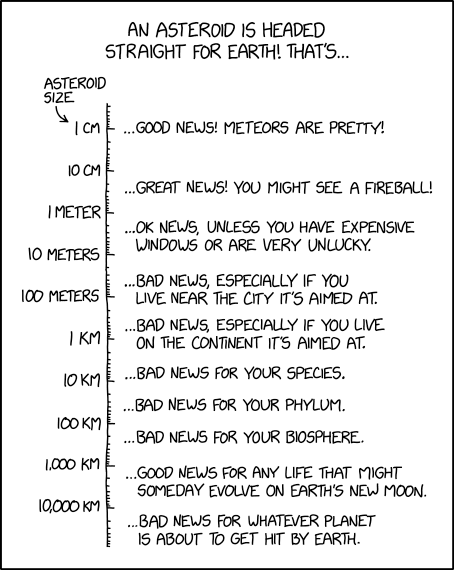
This website went from six weeks of agency back-and-forth to production in one evening with Claude. A case in point for the asteroid thesis.
Every major technology has followed the same arc: big promise, slow delivery. AI will move differently — not because it's smarter, but because of where it's injected into the enterprise.

AI is compressing development costs — and reshaping the economics of the firms delivering the work. For buyers, that pressure creates execution risk.
No tracking, no ad audiences, no behavioral data harvesting. Launch Day Advisors built its privacy posture on a simple belief: privacy is trust.

The market for design, development, and AI services looks healthy from the outside. Supply is not the problem. Signal is.

If every agency is five stars, then five stars mean nothing. In a market where positivity is engineered, visible differentiation collapses.
15 minutes with an advisor. We'll help you scope the engagement and determine if Launch Day is the right fit.
Buyer-retained. Priced by engagement scope. We'll quote after a 15-minute call.
Talk to an Advisor→